Kyara/Kynam: IS IT REALLY OUD?

Since the day I joined certain forums, I have been reading a lot about Kyara/Kynam. Description I have read about the wood and certain oils about it shows it is the best Oud ever found in human history, and we, the twenty first centurians, are the fortunate ones to wear and smell it. Appreciation is almost limitless.

Certain things keep striking my mind. Of course, collectively made quest to reach some concrete and solid platform, rather than bombastic descriptions of vendors, is what this Forum has blessed us with. Therefore, for my personal knowledge, I would request for the posts regarding certain aspects:

i. Any reference, authentic and valid, about presence of Kynam/Kyara OIL in/ by Arabs and in the Subcontinent?

ii. Has kynam/kyara ever been used like Oudwood in Arabian and Asian countries?

iii. Had kynam/kyara always been included in Oud OIL array? Or has it been very much in culture since the beginning?

iv. Is kyra/kynam really Oud? Has it some similarity with Oud, the Oud that has been considered Oud since ages, or is it a medicine or some fragrant wood like cedar, etc?

v. When was kynam/kyara appear as an epitome of Oud, especially OIL? (Burning its wood is a separate topic.)

vi. Is kynam/kyara considered a that-much-appreciated Oud (if at all it is an oud) in the Subcontinent, especially in India? Or is it considered even an Oud in traditional Oud OIL area-Hind?

vii. Kynam/ Kyara notes generally described are really Oud notes?

I hope ‘personal preference’ is not to be considered a yardstick. Above questions are many, but nature is the same.

I have been thinking on kynam/kyara for a couple of months, but whenever I read the description, I feel I am going to order chunks of candies, not Oud. Whatever vendors say, that is no recommendation at all as a lot of factors are involved active in the back of mind of vendors. Moreover, a chef’s praise for the edibles cooked by him is the weakest thing, especially when vendors are not master distillers.

There are some other things to be explored. But later, I will post about them. I strongly hope I will benefit from all respectable members.

Respected brother Rai Munir, a very interesting topic, and clearly you have done a lot of reading and pondering on what you have read, for the points you have raised is no extract from marketing gimmicks.

i. I hear and see your point clearly Oudh is an Arabic reference given, value and sacredness by Islam due to the Prophet PBUH utilising it as a incense. Therefore the term Oudh is wholly from that context.

ii. I can confirm from what has been passed to me, and what I have researched there is no reference to Kyara or Ky Nam in our heritage and literature of the old.

Ibn Baytaar mentions the following regarding types of Oudh;

قال الشيخ الرئيس: أجود أصناف العود المندلي ويجلب من وسط الهند عند قوم ثم الذي يقال له الهندي وهو جبلي ويفضل على المندلي بأنه لا يولد القمل وهو أعبق في الثياب، ومن الناس من لا يفرق بين المندلي والهندي الفاضل، ومن أفضل العود السمندوري وهو من سفالة الهند ثم القماري وهو صنف من السفالي، ومن بعد ذلك القاقلي والبري والقطفي والصيني ويسمى القشمري وهو رطب حلو وهو دون ذلك والحلالي والمانطاقي واللوالي والمربطاني والمندلي عامته جيدة ثم أجود السمندوري الأزرق


The Shaykh Al Rais said: The finest varieties of oudh is the Mandalee and it is brought from central India by the Qawm and then what is called Hindi and it is from mountains, preferable over Mandalee as it does not allow lice to breed in the clothes that it is applied on, and there are those who do not differentiate between Mandalee and Hindi, and the best oudh of Samandori, found in the lower areas of India and it is classified as Saaffili, and then the Qaqli, Berri, Qing and Chinese and it is called al-Qashmari, which is moist and native to that area the Mantaki, the Wali, the Berlani, the Mandalee.

Whilst they had exposure to many different oudhs we can not see a mention of Ky Nam or Kyara.

iii, even among the Japanese who have listened to Kyara notes in kodo sessions for centuries, even they did not come forward with kyara oil, as such the old Japanese references do not speak of an oil but an incense wood.

The concept of Kyara oil can be tackled in two ways. Oil from kyara wood, or oil smelling like kyara. The latter is the case with regards to what online vendors are selling. They are oils carrying some hint of a kyara smell and even in that case the brother has clarified that it is his take on what he feels is Kynamic/kyara like, so for another person it may not even have a slightest smell to kyara the incense experience.

iv, that is a very good question, Kyara is agarwood, but is it oudh in the real sense of the term? no because as we can see in the classic texts the Arabs do not speak of it and since the word is from their context, kyara is not in it. Can it be added today based on common species? yes it can, but is a new addition, yes.

Kyara has a larger number of fragrant compounds than the average agarwood and some compounds that are shared in kyara and other agarwoods, kyara are nearly double the intensity in those compounds. Does that mean it smells better not necessarily.

v, the claim that kyara oil is the epitome is only a singular narrative, since even in Japanese text it is the wood that is praised.

vi, no

vii, there are some that are shared, both from smell perspective and scientifically. I am sure you have already read this, but for completeness I will share it here https://www.kyarazen.com/scientific-literature-kyara/


I don't believe one can realistically challenge the quality, variety, complexity and beauty of what has come out of the Subcontinent for such a consistently long period. The whole bubble created around Kyara by miss using Chinese-Japanese value system, with regards to listening to scents, is easily see through once a person becomes a bit familiar with the marketing gimmicks. It is unfortunate though how abused the term kyara has become with some people having something kyara in every other oil as though their cousin grew them in their back yard. The reality of such abuse is, people then get confused between the real meaning and the gimmicky meaning. There is so much wonderful lessons that can be learnt from the Kodo philosophy of listening to the delicate notes and the humility in the whole process. It is a shame to see the misuse of that philosophy for the purpose of marketing.

In summary, no the kyara profile is not the pinnacle of scent, there are other more complex oudh woods both from a fulfilment perspective and a fragrance perspective, it just depends which context one is looking at this from.
Excellent thougts
 
Well, this is what I was looking for. On solid grounds, brother Al Shareef Oudh, you guided me. Impressive indeed.
no reference to Kyara or Ky Nam
This is what has perpetually been striking my mind. This sudden emergence of kynam ouds and kyarian ouds seem to be perfumery terms imposed upon Oud. Therefore, I requested the respected members.
online vendors
Nice expression, by the way.
Kyara is agarwood, but is it oudh in the real sense of the term? no because as we can see in the classic texts the Arabs do not speak of it and since the word is from their context, kyara is not in it. Can it be added today based on common species? yes it can, but is a new addition, yes
Agreed. You endorsed confidently on solid grounds what I had in my mind. For days, I kept reading, discussing, evaluating and thinking about this phenomenon, but couldn't reach somewhere.
Does that mean it smells better not necessarily.
No doubt. Now I can conclude it is a marketing gimmick and a publicity stunt. No more.
the claim that kyara oil is the epitome is only a singular narrative
Thanks a lot. Crystal clear it is. Well, this online market generally spreads certain Bit Coins to attract.
I don't believe one can realistically challenge the quality, variety, complexity and beauty of what has come out of the Subcontinent for such a consistently long period.
The sentence worth-loving. Loving Oud or knowing is like this saying in Persian: "Hanooz Dilli doour ast (Dehli is yet afar)".
There is so much wonderful lessons that can be learnt from the Kodo philosophy of listening to the delicate notes and the humility in the whole process. It is a shame to see the misuse of that philosophy for the purpose of marketing.
Yes, it is at a mass level. Not only kinam/ kyara, certain other un-Ouds are presented as phenomenal Ouds. But I know there are persons who know each and every thing.
In summary, no the kyara profile is not the pinnacle of scent, there are other more complex oudh woods both from a fulfilment perspective and a fragrance perspective, it just depends which context one is looking at this from
That's it! This is the epitome of Oud Sensibility of yours.

God bless you more and more, brother.
 
Ibn Baytaar mentions the following regarding types of Oudh;

قال الشيخ الرئيس: أجود أصناف العود المندلي ويجلب من وسط الهند عند قوم ثم الذي يقال له الهندي وهو جبلي ويفضل على المندلي بأنه لا يولد القمل وهو أعبق في الثياب، ومن الناس من لا يفرق بين المندلي والهندي الفاضل، ومن أفضل العود السمندوري وهو من سفالة الهند ثم القماري وهو صنف من السفالي، ومن بعد ذلك القاقلي والبري والقطفي والصيني ويسمى القشمري وهو رطب حلو وهو دون ذلك والحلالي والمانطاقي واللوالي والمربطاني والمندلي عامته جيدة ثم أجود السمندوري الأزرق

This specific line peaked my interest: "والصيني ويسمى القشمري وهو رطب حلو"
A direct traslation would be "And the Chinese Oud and it is called The Qahshmari, and it is moist/sweet"

Couldn't this be Kynam? It mentions the Oud being moist (moist from oil saturation?) like that of Kynam.

More probably, it could be referring to the scent as moist rather than it's physical quality. As there was no defining indicator that it was moist in touch.
 
Last edited:
This specific line peaked my interest: "والصيني ويسمى القشمري وهو رطب حلو"
A direct traslation would be "And the Chinese Oud and it is called The Qahshmari, and it is moist/sweet"

Couldn't this be Kynam? It mentions the Oud being moist (moist from oil saturation?) like that of Kynam.

More probably, it could be referring to the scent as moist rather than it's physical quality. As there was no defining indicator that it was moist in touch.

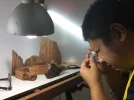
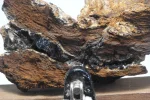
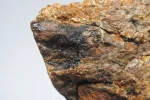
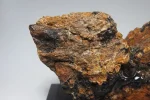
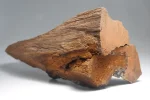
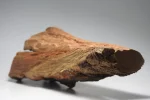
Recently, heavy rain and strong wind swept everything on the beach near i live. The heavy monsoon had put so much impact on the coastal line and what was left was an open fresh land slide near the bank. To my discovery, i found a very interesting wood log which i then decided to bring it back home and as i cut it half with my chainsaw think to turn it into table slab that moment i knew this wood is not an ordinary wood. The fresh cut wood gave a very nice fragrance. I just sat infront of the log for hours thinking what could it be. Now it has been two months. Alot of research been done. None of them seem giving me the information that i really can connect with the wood i found. Some say its soil agarwood been reinfected many times and some say its a ripe moist Aquilaria. This forum caught my attention. Im very glad and thankyou to everyone for bringing up this deeply refine informations. It gave me some ideas that i can actually think of outside the box. Im looking forward to know any new information about ancient Oud and how it was used those time to benefits us in the modern world. Im sure theres a purpose and reasoning to all these and made it through here. For me Oud is very special wood. Probably the moist come from Aquilaria refer as ripe resinated wood which has been fermented over time in the soil. Ive tested it and not even close to sweet honey bee. But yes the smell amazingly sweet like melon. Theres no other woods that have so much to be appreciated and impact to human kind in our history. Yet, the instrument of measurement that we all employing today is not enough capacity to measure the existent of this holy scented wood. The mon koh session probably my closest choice. Let this wood of paradise lead us to where they want us to be. They live long enough to measure us.
 
Recently, heavy rain and strong wind swept everything on the beach near i live. The heavy monsoon had put so much impact on the coastal line and what was left was an open fresh land slide near the bank. To my discovery, i found a very interesting wood log which i then decided to bring it back home and as i cut it half with my chainsaw think to turn it into table slab that moment i knew this wood is not an ordinary wood. The fresh cut wood gave a very nice fragrance. I just sat infront of the log for hours thinking what could it be. Now it has been two months. Alot of research been done. None of them seem giving me the information that i really can connect with the wood i found. Some say its soil agarwood been reinfected many times and some say its a ripe moist Aquilaria. This forum caught my attention. Im very glad and thankyou to everyone for bringing up this deeply refine informations. It gave me some ideas that i can actually think of outside the box. Im looking forward to know any new information about ancient Oud and how it was used those time to benefits us in the modern world. Im sure theres a purpose and reasoning to all these and made it through here. For me Oud is very special wood. Probably the moist come from Aquilaria refer as ripe resinated wood which has been fermented over time in the soil. Ive tested it and not even close to sweet honey bee. But yes the smell amazingly sweet like melon. Theres no other woods that have so much to be appreciated and impact to human kind in our history. Yet, the instrument of measurement that we all employing today is not enough capacity to measure the existent of this holy scented wood. The mon koh session probably my closest choice. Let this wood of paradise lead us to where they want us to be. They live long enough to measure us.
Pleased to read you, respected Oud Sina. Would you share a picture of the log please? If you think it is to be shared. One thing is confirmed, you loved its smell, so it is precious for you indeed. Next step is verification of its rarity and uniqueness. The traits you have mentioned indicate YES it is of great value.
Your whole self is the best verifier. Congrats!
 
Last edited:
Link about the moist/sweet honey Kynam found in Tibet was kept hidden in China.

Moist sweet Qinam photos here:
https://culture.ifeng.com/a/20150115/42942801_0.shtml

Sorry guys it is written in chinese. I use Itranslate from google. Hope this information may open up some windows for us what it meant by moist/sweet as describe by Shaykh Al Rais above.

I copy and paste the link above and Itranslated it to English:

Qi nan divided life knot knot Cook, leakage, shedding four types of insects, Figure 1 is the most difficult in the process of formation of four species of leaked worms, itself is containing high fat aloes Mushe knot aloes and paste with full fat mature, the surface is all flowers gold gold Voodoo mycelium powder spore, insects and triterpene compounds, amino acids of ants, there are several forms of plant protein and natural such as spur and Spider microbial peptide protein, there are irregular small-grained rock honey, initial temperature, coloured purple knot Cook grease and oil small Crystals and honey stone, color has a golden color mung bean and Kim Huang finished color and gray white rice, soft texture and can form is, is really a natural quality of work,

More rarely weigh more than one kilogram, and we clearly can see trees as a result of erosion, termites nest trees secrete recipe Defense oil, ants even insects followed, years, establishment of a scene nan odd insects, during a rare and not destroyed generations of Treasures, for collections, the value of investments very rare collection. Qi Nan is the most valuable kind of aloes, so how nan Qi precious was established? Currently, the mainstream view is from growth in tropical rainforest, rainforest tree aloes after thousands of years or years while growth, after Lodging, resist termites eat, and saliva of termites to infiltration in, and then after many thousands of years even after the establishment of the Qi Nan. There is also a kind of aloes after residence, must be flooded to the Swamp.

Qi Nan is the most precious kind of aloes, so how is this precious Qi nan formed? At present, the mainstream view is from the growth of the tropical rainforest, the rainforest of the aloes tree after thousands of years or even year of growth, after lodging, withstand termites eat, and the saliva of termites infiltration into this, and then after thousands of years even after the formation of Qi Nan. There is also a kind of aloes after lodging, must be flooded into the swamp, through the decomposition of microbial fungi, and then after thousands of years or even months, the chance of coincidence by people from the swamp. "It's very difficult to form, so it's extremely valuable." "Figure 2 shows this piece, Taiwan collectors called soft silk, cooked knot June Xiang Qi nan, touch up moist and delicate, the level of feeling is very good, soft and gentle aroma, the normal taste before the run, a little light sweet, like the smell of honey sweet feeling, in the taste of silk flowers and fruit fragrance, clear, soft, very fine silk silk present, let your sense of smell reluctant to pause, A kind of spring rain is thorough and moist, the tail fragrance has a hint of medicine fragrance, not thick but thicker, not strong but alcohol, oil content near the whole oil knot, knot incense age distant, color near Amber, the world is rare.

The genesis of Qi Nan Xiang Kat, it is a hollow fragrant trees (dense fragrant tree species) by ants or wild bees nesting therein, formic acid, nectar or wild bee's Stone honey, the bee paddle is fragrant tree living fragrance gland absorbs, combine a kind of special fungus to produce gradually. This process has been accumulated to cause incense trees from the root or a branch of a broken, commonly known as "inverted frame", buried in the soil, its parasitic fungi and resin constantly absorbed synthesis, after a century or even thousands of years, until someone dug out. So strange, unusual and rare Chan Xiang is so precious. Fig. 3 We see this piece called Hard wire, ripe knot Qinan, oil time distant, the oil content density near the whole oil knot, under the magnifying glass can obviously see the active fiber and black oil between the lines, oil belongs to the typical soft oil, can telescopic flow, very active, soft, finger carved such as cone painting sand, spicy with fat, chewing the sticky teeth, It is extremely rare to scrape the crumbs into a pile.

The price of aloes has risen rapidly in recent years, with an average annual rise of 40%. Avid collection, investment in the number of aloes from tens of thousands of people 10 years ago to hundreds of thousands of people, mainly concentrated in Guangzhou, Shanghai, Beijing and Southeast Asia and other places. The above-mentioned few rare and fragrant incense is now temporarily hidden in Shenzhen Xin Bao source Art Investment Management Co., Ltd., welcome to the vast number of Tibetan friends to visit the tasting.


Amazing post Oud Sina.... thanks!
 
Hi Rai Munir, im happy to share it with everyone here. Every soil oud/ripe yellow aloeswood/kynam/kyara is unique. Mostly found in the forest soil and rarely found in salty wet sandy beach sand. I think this is when oud wood take alot of challenges and courses of several reinfections may occur. Most soil oud within the age of centuries easily track the oil and resin line. But over 1000 yrs old its nearly impossible due to its aging factor, soil erosion, earth compression, wood colors might change after several migration and so forts. At first glance i thought it was Kemenyan or benzoin or frankincense Myrrh. But none of them fits in.

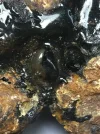
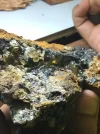
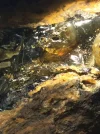
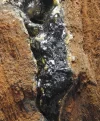
I believe this soil oud have reinfected several times over thousand years and migrated many times since it is open to the sea. I found dead insects, fossilized worm and honey Kelulut track inside the heart wood. Some photos you might notice how the wood blend into the thick black resin. The yellow clear resin is very sticky as compare to the rest. The deeper part of the heart wood lies the amber and crystallized yelow resin. I have not download the photo here. This amber melt in my hand so fast. So sticky and very sweet fragrant. I have to say not all smell good to someone nose. My wife actually gag when she smell the white creamish butter resin. She said it smell like rotten milk. To me it smell like cheetos. Yumm.

Until today, I still couldnt believe how a piece of log can change my life entirely. The effects of the fragrant actually cured some of my negativities in me. It is a journey that take my breath away and really woke me up to another level of conciousness. Im so honor and grateful to have this opportunity to meet wonderful people here in such a minute time and space. Thankyou again for those who took their time to share their thoughts and experiences.
 

Attachments

  • [Ouddict.com] Kyara/Kynam: IS IT REALLY OUD?
    IMG_6084.webp
    84.6 KB · Views: 758
  • [Ouddict.com] Kyara/Kynam: IS IT REALLY OUD?
    IMG_6092.webp
    267.2 KB · Views: 749
  • [Ouddict.com] Kyara/Kynam: IS IT REALLY OUD?
    IMG_6097.webp
    168.1 KB · Views: 746
  • [Ouddict.com] Kyara/Kynam: IS IT REALLY OUD?
    IMG_6100.webp
    173.9 KB · Views: 844
  • [Ouddict.com] Kyara/Kynam: IS IT REALLY OUD?
    IMG_6171.webp
    236.3 KB · Views: 1,114
  • [Ouddict.com] Kyara/Kynam: IS IT REALLY OUD?
    IMG_6183.webp
    188.5 KB · Views: 887
  • [Ouddict.com] Kyara/Kynam: IS IT REALLY OUD?
    IMG_6185.webp
    182.4 KB · Views: 758
  • [Ouddict.com] Kyara/Kynam: IS IT REALLY OUD?
    IMG_6225.webp
    100.6 KB · Views: 1,163
  • [Ouddict.com] Kyara/Kynam: IS IT REALLY OUD?
    IMG_6233.webp
    54.1 KB · Views: 988
  • [Ouddict.com] Kyara/Kynam: IS IT REALLY OUD?
    IMG_6273.webp
    173.8 KB · Views: 955
@Oud Sina very interesting piece. would be awesome if our fellow seasoned members can chime in and shed light on this piece. perhaps tincturing a small bit of the wood and run gcms on it will give the definitive answer.

i would email the photos or the link to this forum to Dr. WS (kyarazen at gmail dot com) and also get his input. who knows, you may be sitting on a very precious piece, more so than you even think. a gift that could change your life that of your family and dear ones to you for years to come...
 
Hi Rai Munir, im happy to share it with everyone here. Every soil oud/ripe yellow aloeswood/kynam/kyara is unique. Mostly found in the forest soil and rarely found in salty wet sandy beach sand. I think this is when oud wood take alot of challenges and courses of several reinfections may occur. Most soil oud within the age of centuries easily track the oil and resin line. But over 1000 yrs old its nearly impossible due to its aging factor, soil erosion, earth compression, wood colors might change after several migration and so forts. At first glance i thought it was Kemenyan or benzoin or frankincense Myrrh. But none of them fits in.

I believe this soil oud have reinfected several times over thousand years and migrated many times since it is open to the sea. I found dead insects, fossilized worm and honey Kelulut track inside the heart wood. Some photos you might notice how the wood blend into the thick black resin. The yellow clear resin is very sticky as compare to the rest. The deeper part of the heart wood lies the amber and crystallized yelow resin. I have not download the photo here. This amber melt in my hand so fast. So sticky and very sweet fragrant. I have to say not all smell good to someone nose. My wife actually gag when she smell the white creamish butter resin. She said it smell like rotten milk. To me it smell like cheetos. Yumm.

Until today, I still couldnt believe how a piece of log can change my life entirely. The effects of the fragrant actually cured some of my negativities in me. It is a journey that take my breath away and really woke me up to another level of conciousness. Im so honor and grateful to have this opportunity to meet wonderful people here in such a minute time and space. Thankyou again for those who took their time to share their thoughts and experiences.


This piece doesn't look like agarwood at all...
 
May be able to examine it under a microscope to determine what species it is. Fragrant woods include cherry, cedar and many more! All beautiful. All from the Creator. Much better than the smell of crap from a rodent, or undigested food from a whale... 😛
 
May be able to examine it under a microscope to determine what species it is. Fragrant woods include cherry, cedar and many more! All beautiful. All from the Creator. Much better than the smell of shit from a rodent, or undigested food from a whale... 😛

Sorry but whale :Poop: expansive more than gold!!! 😀
[Ouddict.com] Kyara/Kynam: IS IT REALLY OUD?
 
@OudSina. those are some interesting pics. Was hoping someone who is familiar with what a an agarwood log looks like could give an opinion. But I'm not sure why you think it might be awarwood/kyara as opposed to some other kind of wood. As noted, there are lots of fragrant woods. To me, the black looks like tar not a tree resin.
 
Hi Rai Munir, im happy to share it with everyone here. Every soil oud/ripe yellow aloeswood/kynam/kyara is unique. Mostly found in the forest soil and rarely found in salty wet sandy beach sand. I think this is when oud wood take alot of challenges and courses of several reinfections may occur. Most soil oud within the age of centuries easily track the oil and resin line. But over 1000 yrs old its nearly impossible due to its aging factor, soil erosion, earth compression, wood colors might change after several migration and so forts. At first glance i thought it was Kemenyan or benzoin or frankincense Myrrh. But none of them fits in.

I believe this soil oud have reinfected several times over thousand years and migrated many times since it is open to the sea. I found dead insects, fossilized worm and honey Kelulut track inside the heart wood. Some photos you might notice how the wood blend into the thick black resin. The yellow clear resin is very sticky as compare to the rest. The deeper part of the heart wood lies the amber and crystallized yelow resin. I have not download the photo here. This amber melt in my hand so fast. So sticky and very sweet fragrant. I have to say not all smell good to someone nose. My wife actually gag when she smell the white creamish butter resin. She said it smell like rotten milk. To me it smell like cheetos. Yumm.

Until today, I still couldnt believe how a piece of log can change my life entirely. The effects of the fragrant actually cured some of my negativities in me. It is a journey that take my breath away and really woke me up to another level of conciousness. Im so honor and grateful to have this opportunity to meet wonderful people here in such a minute time and space. Thankyou again for those who took their time to share their thoughts and experiences.


Hi Oud Sina... I have just looked closely at the photos - could not before as i was busy. To me this does not look like Agarwood let alone Kyara. Agarwood is lighter and the resinated parts do not look anything like the ones on your photos. That looks more like tar? Whatever it is, it looks interesting enough for you to maybe ask your local government botanical body or university to identify it.
 
@OudSina. those are some interesting pics. Was hoping someone who is familiar with what a an agarwood log looks like could give an opinion. But I'm not sure why you think it might be awarwood/kyara as opposed to some other kind of wood. As noted, there are lots of fragrant woods. To me, the black looks like tar not a tree resin.

Haahahah Jen you beat me to it.. .tar is exactly what it looks like to me too.
 
[Ouddict.com] Kyara/Kynam: IS IT REALLY OUD?

Burning some olibanum/hojari/luban/frankincense with mid grade oud chips over coconut husk charcoal (nearly smokeless). Smell of Fanta, Incense and oud. This is the traditional Indian dhoopdaan dhoop=incense, daan=holder/keeper, which we use to scent homes or in pooja. Equivalent to Mubakhra. Natural scents never feel odd or even faintly usettling to the senses even if they are not according to one's preferences. So glad to have found Oud and also Ouddicts to share my passions with. Fragrant day all 🙂
 
Top