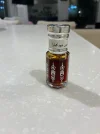
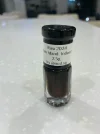
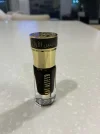
Applied a couple of spritzes of "History of Indonesian Oud" from feel oud / Areej earlier today when organizing some of my samples. Adam told me that this is a straight up extract of wood, not a distillate, not a mixture.
Quite unusual material. I can smell some of the typical notes from wood extract but there is an herbal/spice pungent quality as well which is unique to this extract. Initially I thought he may have added some clove oil because I get the distinct impression of cloves when applying a spray: strong clove, woody-musty, powdery, a bit peppery in a subdued way. low lying, has a sense of dampness / wetness / water like the fu-in incense if that makes sense. Not like a riparian zone or forest wetness - more like wet wool or wet wood / roots. There is not much of the balsamic sweetness that pervades almost every distilled oil, there's like a subtle hint of it, just enough to make things interesting, but very much yielding to the dry, spice, must, wet wood facets.
It's quite an olfactory experience - I enjoy it and find it fascinating, very happy to have the bottle but mainlybecause of my interest in how its facets relate to the other oud distillates and extracts i have smelled. I'm asking myself whether it's an objectively appealing scent or if it's just my obsession with the material that makes it interesting.
If I wore this and went to a party I have no real internal sense of what a non-ouddict's reaction might be to encountering this. would I smell like a crawlspace? Ancient dried wood? Clove cigarettes? an old wooden house that had a few roof leaks?
I recently made the acquaintance of a retired scientist who lives nearby and is a keen observer and fascinated by chemistry in general that has no experience studying fragrance. His associations with the materials are very interesting because they are always in relation to things outside of the world of fragrance ingredients. The most common association with agarwood so far has been old wooden houses (no surprise, we are in New England here).